The Gateway Strategy: How Malaysia and Ethiopia Are Building Africa's Most Promising Trade Corridor
Introduction
In the rapidly evolving landscape of global trade, strategic partnerships between nations can create economic corridors that transform entire regions. The Malaysia-Ethiopia partnership represents one of the most promising developments in Africa-Asia relations today. At Ethio Malaya Trading PLC, we're not just observers of this transformation—we're active architects building the physical and digital bridges that make this gateway strategy a reality.
The Historical Context
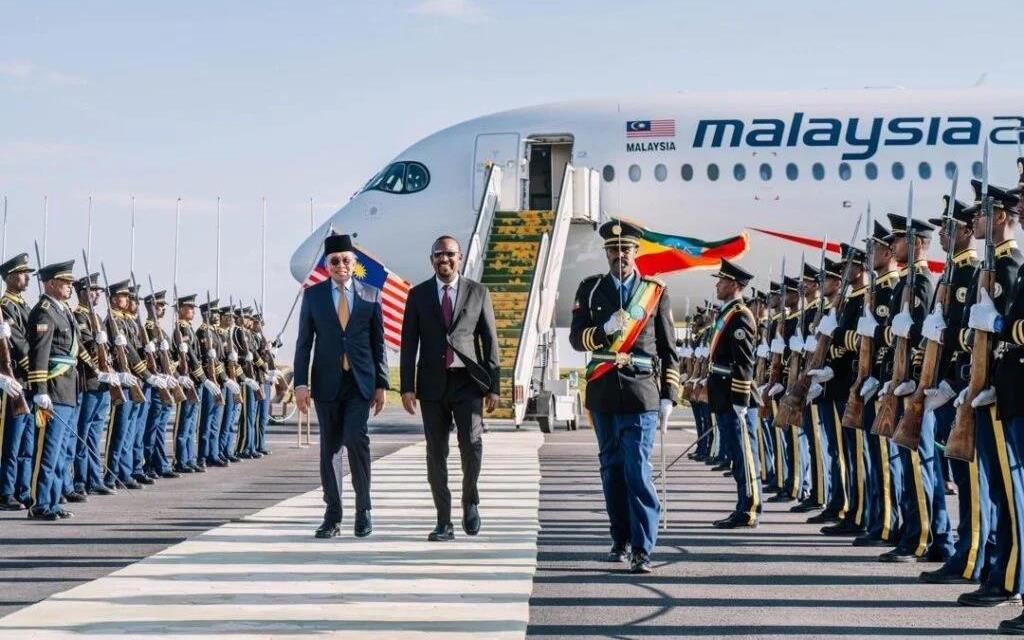
The official opening of the Malaysian Embassy in Addis Ababa in 2023 marked a significant milestone, but it was the landmark visit of Malaysian Prime Minister Dato' Seri Anwar Ibrahim to Ethiopia that truly crystallized the strategic vision. As declared during the first high-level Ethio-Malaysia Business Forum: "We see Ethiopia as a strategic gateway for Malaysian products to the African continent, while Malaysia is a gateway for Ethiopian products to the ASEAN market."
Why This Partnership Makes Sense
Ethiopia's Position:
- • Strategic location in the Horn of Africa with access to 1.4 billion African consumers
- • Member of the African Continental Free Trade Area (AfCFTA)
- • Growing industrial base and improving infrastructure
- • Young, entrepreneurial population driving economic transformation
Malaysia's Advantages:
- • Advanced manufacturing and technological expertise
- • Strategic position in the ASEAN region with established trade networks
- • Experience in developing special economic zones and industrial parks
- • Strong education system producing skilled professionals
Our Role as Conduit
Our nine years of on-the-ground experience in Ethiopia positions us uniquely to facilitate this gateway strategy. We've learned that successful bridge-building requires more than just infrastructure—it demands:
- Deep Cultural Understanding: Navigating business practices, regulatory frameworks, and relationship-building protocols
- Localized Knowledge: Understanding regional variations within Ethiopia's diverse market landscape
- Long-term Commitment: Building relationships that extend beyond transactional interactions
Real-World Applications
Case Study: The Coffee Connection
Ethiopia produces some of the world's finest specialty coffees, while Malaysia has developed sophisticated food processing and packaging technologies. Through our B2B facilitation, we've connected Ethiopian coffee producers with Malaysian food technology companies, creating value-added products that command premium prices in Asian markets while increasing revenues for Ethiopian farmers.
Case Study: STEM Education Transfer
Our upcoming STEM school in Addis Ababa represents knowledge transfer at its best. By combining Malaysia's excellence in technical education with Ethiopia's hunger for skills development, we're creating a generation of innovators equipped to drive technological advancement across Africa.
The Future Gateway
The gateway strategy extends beyond physical goods. We're facilitating:
- • Technology transfer between Malaysian tech companies and Ethiopian startups
- • Knowledge exchange in areas like sustainable agriculture and renewable energy
- • Cultural bridges through educational and professional exchange programs
Conclusion
As we approach the 2026 opening of our flagship STEM school and the launch of our educational robotics assembly line, we're reminded that gateways are about more than commerce—they're about connection, understanding, and shared progress. The Malaysia-Ethiopia corridor represents a new model of South-South cooperation, one where mutual benefit and sustainable development are at the core.
At Ethio Malaya Trading PLC, we're proud to be the trusted conduit through which this promising future flows—one partnership, one project, one innovation at a time.